State Public Service Commission examinations represent a critical gateway to administrative careers across India, yet many candidates approach the interview stage with incomplete understanding of what awaits them. The personality test, as the interview is formally designated, carries 200 to 300 marks depending on the state and serves as the final filter between preparation and appointment to coveted civil service positions.
Table of Contents
Understanding the State PCS Interview Structure
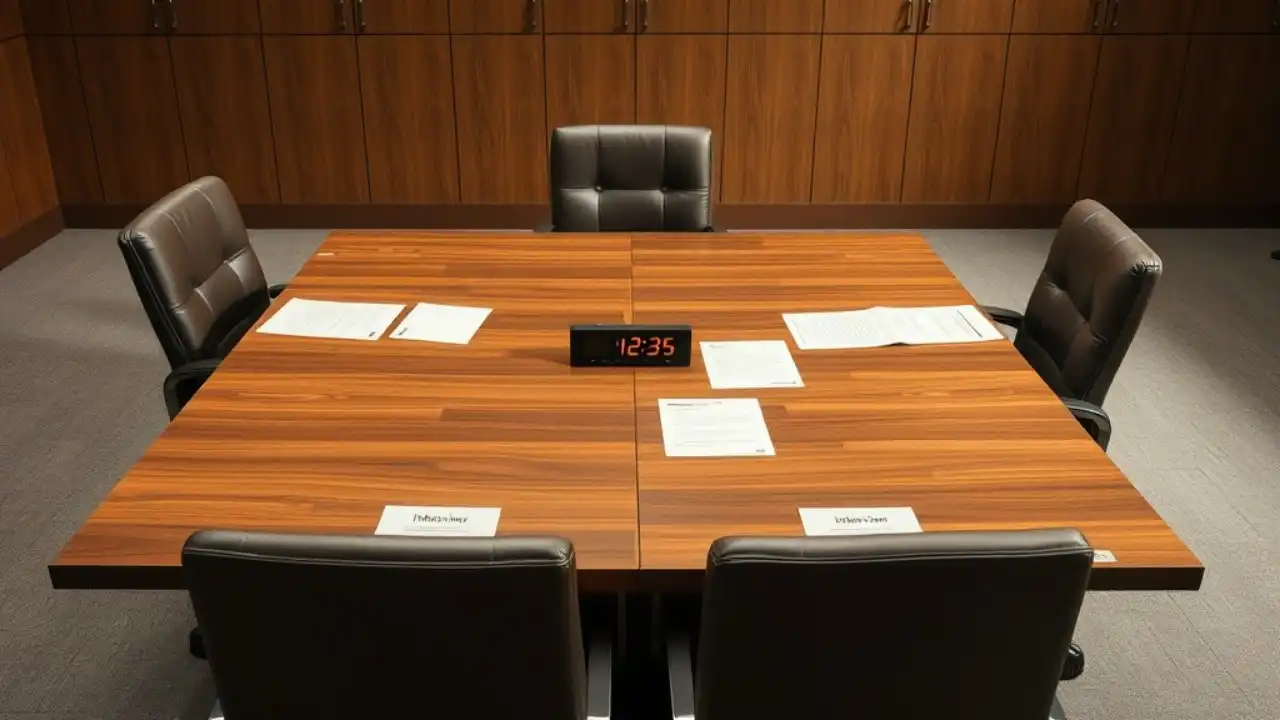
The interview panel typically comprises five members, including the chairman of the State Public Service Commission and subject matter experts drawn from administration, academia, and technical fields. Sessions last between 25 and 45 minutes, though this varies significantly across states like Uttar Pradesh, Madhya Pradesh, and Kerala. Unlike the mechanical scoring of written examinations, this stage evaluates qualities that cannot be measured through multiple-choice questions: mental alertness, critical thinking, balanced judgment, and the ability to articulate complex ideas under pressure.

Candidates receive their interview schedule approximately three weeks before the date, along with instructions regarding required documents. The Detailed Application Form, submitted earlier in the process, becomes the primary source material for questioning. Every claim made in this document, from academic achievements to hobbies and optional subjects, becomes fair ground for detailed inquiry.
Documentation and Verification Requirements
Arriving at the State Public Service Commission office without complete documentation can result in immediate disqualification, regardless of performance in prior stages. Candidates must carry original certificates and one set of self-attested photocopies covering educational qualifications from Class 10 onwards, caste certificates if applicable, domicile proof, age verification documents, and any professional certifications mentioned in the application.
The verification desk operates before the interview session begins. Officials cross-reference submitted documents against the Detailed Application Form, and discrepancies identified at this stage may lead to questions during the interview itself. Several state commissions, have tightened these protocols following instances of credential misrepresentation in previous recruitment cycles.
The Three Dimensions of Interview Assessment

State PCS interviews evaluate candidates across intellectual, social, and ethical dimensions. The intellectual component tests general awareness extending beyond current affairs to include historical context, geographical knowledge specific to the state, and understanding of developmental challenges facing the region. Questions often begin broadly before narrowing to test depth of knowledge in areas the candidate has claimed expertise.
Social caliber assessment focuses on communication effectiveness, body language, and the ability to engage with diverse perspectives. Panel members observe how candidates handle disagreement, whether they can modify their position when presented with contrary evidence, and if they demonstrate respect for viewpoints different from their own. This dimension also evaluates cultural awareness and sensitivity to the diverse populations that officers will eventually serve.
The ethical dimension probes value systems and decision-making frameworks through hypothetical administrative scenarios. A candidate might be asked how they would handle a situation where following protocol conflicts with immediate humanitarian needs, or how they would approach resource allocation when multiple constituencies present equally valid demands. These questions have no definitively correct answers; panels assess the reasoning process and the candidate’s ability to balance competing priorities.
Common Question Categories and Response Strategies

Questions typically fall into predictable categories, though their specific formulation varies. Background questions explore educational choices, gaps in academic records, and reasons for pursuing state civil services rather than alternative career paths. Current affairs questions range from national policy developments to state-specific issues like agricultural distress, urban infrastructure challenges, or implementation of central schemes at the grassroots level.
Optional subject questions test whether candidates possess genuine depth in their chosen discipline or merely memorized material for the written examination. Hobby-related inquiries assess authenticity and whether interests listed in the application represent real engagement or strategic additions. Panel members can quickly distinguish between candidates who genuinely practice photography or classical music and those who added these interests superficially.
Stress questions, designed to observe composure under pressure, may involve interruptions, sharp disagreement with a stated position, or rapid-fire follow-ups that prevent rehearsed responses. The appropriate response involves maintaining calm, acknowledging when uncertain rather than fabricating answers, and demonstrating flexibility in thinking without appearing inconsistent.
Regional and State-Specific Variations
Tamil Nadu’s interview process places substantial emphasis on social justice issues and affirmative action policies, reflecting the state’s political history. Rajasthan panels frequently incorporate questions about desert ecology, water conservation, and cultural heritage preservation. Bihar and Jharkhand interviews often address questions of development disparities, mineral resource management, and Naxalism’s socioeconomic roots.
Northeastern state commissions including Assam, Manipur, and Meghalaya tend to focus on ethnic diversity management, insurgency-affected area administration, and special constitutional provisions applicable to these regions. Understanding these regional priorities allows candidates to prepare contextually relevant perspectives rather than relying solely on national-level knowledge.
The Days Leading to Interview Success
Effective preparation in the final week involves reviewing the Detailed Application Form line by line, anticipating questions each entry might generate. Reading state budget documents, the Economic Survey chapter relevant to your state, and recent State Assembly debates provides current material that distinguishes well-prepared candidates from those relying on outdated knowledge.
Mock interviews with retired civil servants or experienced mentors help identify verbal tics, defensive body language, or tendency toward excessively long responses. Recording these practice sessions reveals patterns invisible to the candidate in the moment. The goal is not memorizing answers but developing comfort with the interview environment so that genuine personality emerges rather than rehearsed performance.
On the interview day itself, arriving 45 minutes early allows time for document verification without rushing. Professional attire, minimal accessories, and switched-off mobile devices demonstrate respect for the process. The interview represents not merely an examination but the first interaction between future officers and the administrative system they will join. Approaching it with appropriate seriousness while maintaining authentic self-presentation creates the foundation for a successful transition from candidate to civil servant.