Most candidates preparing for NDA and CDS focus entirely on written exam syllabus and ignore the single filter that eliminates nearly 40 percent of selected candidates at SSB stage: physical fitness standards. You can score 450 in the written paper, but if you cannot complete the obstacle course or fail the basic fitness test at Service Selection Board, your selection ends there.
The Services Selection Board does not publish minimum run times or pull-up counts in official notifications. This creates confusion. Aspirants show up at Allahabad or Bhopal SSB centers unprepared for the physical demands they will face across five intense days of testing.
Table of Contents
Why Written Exam Scores Do Not Guarantee SSB Success
NDA written exam has two papers totaling 900 marks. The SSB interview carries 900 marks. Physical fitness directly impacts your performance in Group Testing Officer tasks, the obstacle course, and the Individual Obstacles round.
In 2023, SSB centers reported that 38 percent of candidates who cleared the written exam received Conference Out recommendations. Medical unfitness and poor performance in physical tasks accounted for more than half of these rejections.
Your written exam rank means nothing if you cannot scale a 10-foot wall, complete a 2.4-kilometer run under stamina limits, or maintain composure during physically exhausting group tasks. The assessors watch how you handle fatigue. They note if you quit when tired.
Specific takeaway: Start physical training the day you decide to attempt NDA or CDS. Six months of consistent training is the minimum requirement to build endurance and strength for SSB standards.
What Physical Tests You Will Face at SSB
The outdoor tasks at SSB test functional strength, cardiovascular endurance, and mental resilience under physical stress. You will face these assessments across Day 2 and Day 4 of your SSB schedule.
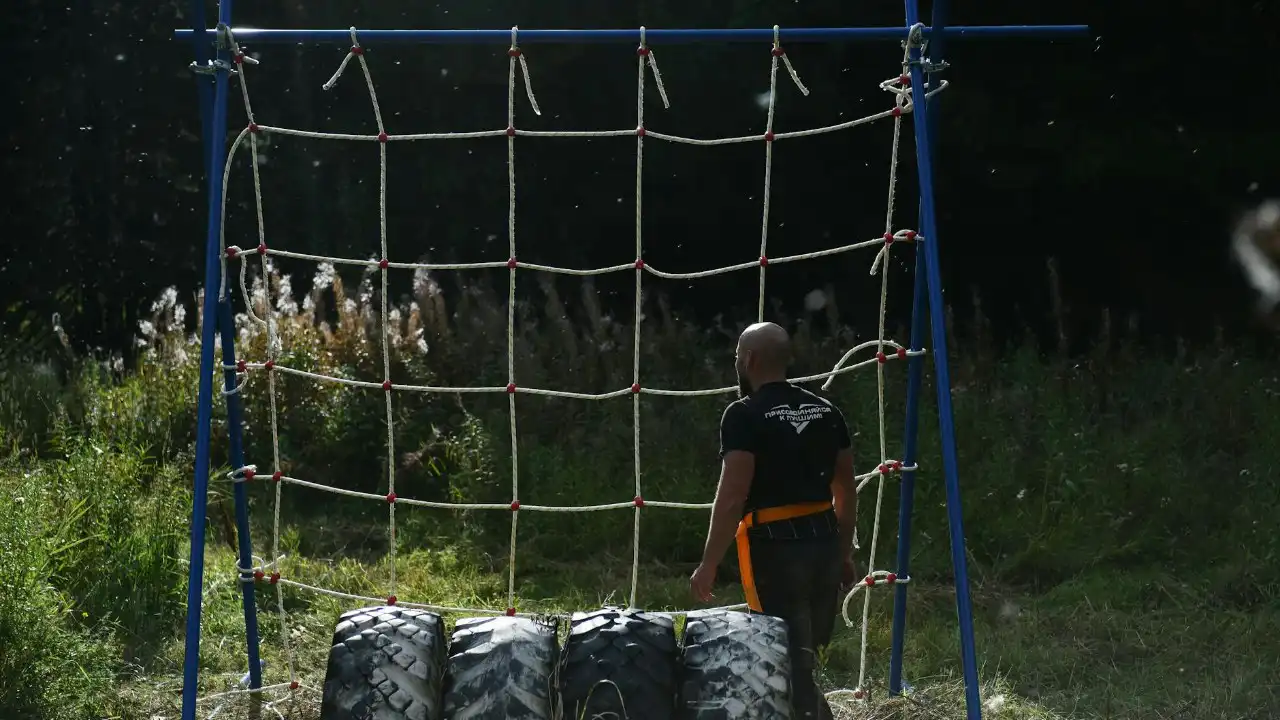
The obstacle course includes 10 obstacles: straight jump, double barrel, ramp, tiger leap, balancing beam, screen jump, double ditch, tarzan swing, Burma bridge, and double platform jump. You must attempt all 10 in sequence within three minutes. Partial completion is acceptable, but hesitation or fear signals lack of officer-like qualities.
Individual obstacles test problem-solving under physical constraints. You receive wooden planks, ropes, and blocks. You must cross a ditch or scale a structure using only provided materials within specified time limits.
The lecturette and group discussion happen indoors, but the Progressive Group Task, Half Group Task, Final Group Task, and Command Task occur outdoors with physical obstacles. You will lift logs, jump ditches, and construct bridges while the group solves tactical problems.
Specific takeaway: Practice pull-ups, push-ups, and 2.4-kilometer runs three times per week starting at least four months before your SSB date. Your minimum target: 10 pull-ups, 40 push-ups, and a sub-11-minute 2.4-kilometer run.
Why Most Candidates Fail the Endurance Threshold
The obstacle course and group tasks do not test maximum strength. They test sustained moderate effort over five days. Most aspirants train for peak performance in single events but collapse under cumulative fatigue.
SSB days start at 0530 hours with outdoor tasks. You will run, climb, and lift equipment for six to eight hours daily across four days. Candidates who train only for short bursts fail on Day 3 and Day 4 when accumulated fatigue sets in.
Indian Army physical training standards for gentlemen cadets at IMA Dehradun require 2.4 kilometers in under 10 minutes 30 seconds and 1.6 kilometers in under 6 minutes 30 seconds. SSB assessors expect you to demonstrate potential to meet these standards after training at academy.
In the June 2023 NDA-1 SSB cycle, centers at Allahabad and Bangalore reported that 22 percent of screened-in candidates showed visible exhaustion during Command Task on Day 4. These candidates received lower ratings in stamina and determination sub-qualities.
Specific takeaway: Build a training base with three months of steady 5-kilometer runs before adding speed work and interval training. Endurance must precede intensity in your training cycle.
How NDA and CDS Physical Standards Differ
NDA admits candidates into National Defence Academy for joint training across Army, Navy, and Air Force. CDS admits candidates into Indian Military Academy, Officers Training Academy, Indian Naval Academy, and Air Force Academy for direct commissioning. The distinction matters for physical preparation.
NDA candidates enter at 12th-pass level and undergo three years of training at Khadakwasla. Your physical standards at SSB entry focus on trainability and potential. CDS candidates are graduates entering officer training. Assessors expect higher baseline fitness because you have less time to develop during shorter academy courses.
| Physical Parameter | NDA Aspirant Benchmark | CDS Aspirant Benchmark |
|---|---|---|
| 2.4 km Run | 11 to 12 minutes | 10 to 11 minutes |
| Pull-ups (overhand grip) | 8 to 10 repetitions | 10 to 12 repetitions |
| Push-ups (continuous) | 30 to 40 repetitions | 40 to 50 repetitions |
| Flexibility (sit and reach) | Touch toes comfortably | Palms flat on ground |
| Obstacle Course Time | Under 3 minutes 30 seconds | Under 3 minutes |
Medical standards also differ slightly. NDA candidates undergo full medical examination under MH-1 standards. CDS candidates follow similar standards but assessors scrutinize older injuries or conditions more carefully because shorter training timelines offer less recovery room.
Specific takeaway: If you are preparing for CDS after graduation, allocate 25 percent more training volume than NDA preparation plans suggest. You must arrive at SSB already near IMA entry standards, not just trainable to reach them.
The Training Timeline That Works for SSB Physical Readiness
Most aspirants give themselves inadequate lead time. You need structured progression across 16 to 20 weeks minimum. Cramming fitness in eight weeks leads to overtraining injuries and burnout before SSB dates.
Weeks 1 to 4: Build aerobic base with 4 to 5 runs per week at conversational pace. Add bodyweight exercises: 3 sets each of push-ups, squats, and planks three times weekly. Focus on form, not volume.
Weeks 5 to 8: Increase running distance to 5 kilometers per session. Add one interval session weekly: 400-meter repeats at faster pace with equal rest. Introduce pull-up training: assisted pull-ups or negative pull-ups if you cannot complete full repetitions yet.
Weeks 9 to 12: Add tempo runs: 3 kilometers at sustained hard effort once weekly. Build pull-up volume to target numbers. Practice obstacle course movements: broad jumps, box jumps, rope climbing. Visit local parks with monkey bars and climbing structures.
Weeks 13 to 16: Simulate SSB conditions. Complete outdoor circuit training sessions lasting 90 minutes with mixed cardio and strength tasks. Run your 2.4-kilometer time trial weekly to track progress. Practice obstacles wearing long pants and full-sleeve shirt, the dress code for SSB outdoor tasks.
Final 2 weeks: Reduce training volume by 40 percent. Maintain intensity but cut duration. Prioritize sleep and recovery. Arrive at SSB rested, not exhausted from overtraining.
Specific takeaway: Schedule your training plan backward from your expected SSB call date. If your NDA-2 exam is in September, assume SSB in February or March. Start physical training no later than October to allow 20 weeks of progression.