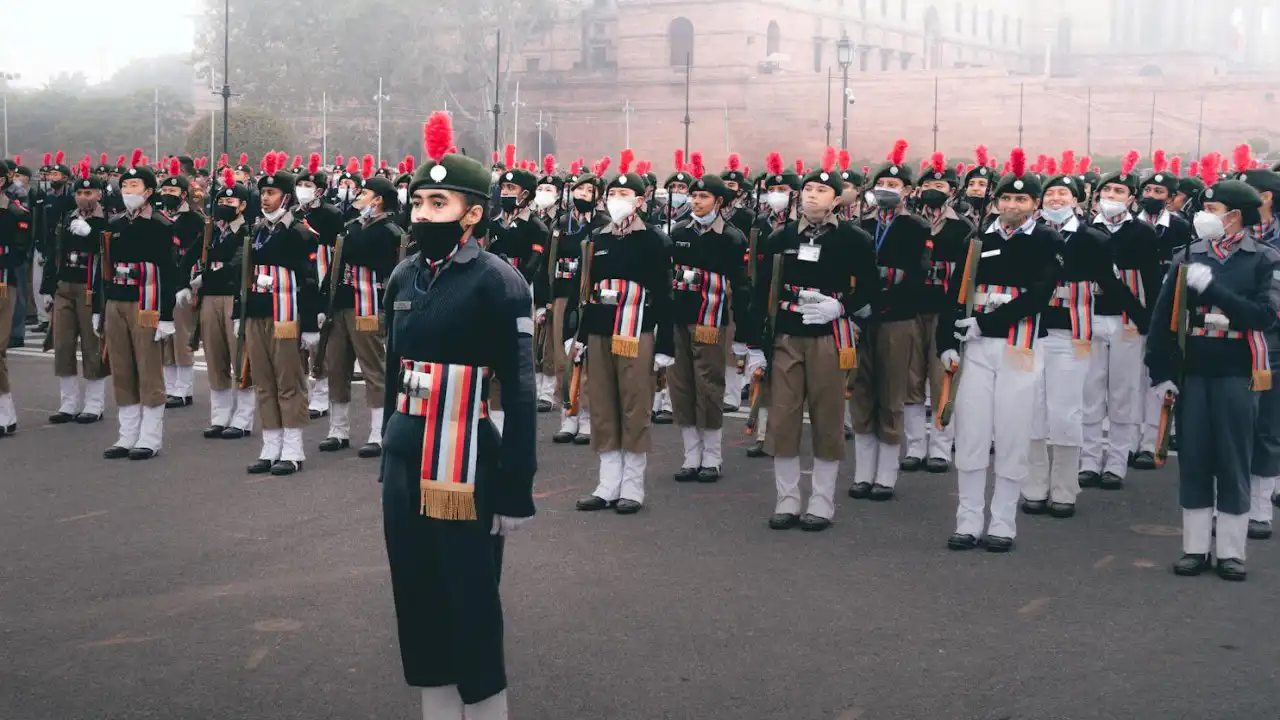
Most candidates see NDA and CDS selection as the finish line. That is where the real preparation begins. The moment you clear the final medical board and receive your joining instructions, you enter a system designed to break civilian habits and rebuild you from scratch. The next three years will determine whether you lead from the front or struggle to keep pace.
Table of Contents
Why Academy Training Feels Harder Than Any Exam You Have Cleared
You spent months mastering trigonometry and current affairs for the written exam. You passed the SSB interview demonstrating officer-like qualities. Yet the first month at the academy will test you in ways no question paper can replicate.

NDA Khadakwasla admits approximately 370 cadets across Army, Navy, and Air Force three times annually. The Indian Military Academy at Dehradun takes around 250 gentlemen cadets per course. Both institutions run on a 24-hour training cycle where every activity from reveille to lights out carries performance weight.
Physical training begins at 0530 hours daily. You will run five kilometers before breakfast, complete obstacle courses under time limits, and maintain weapon drill precision simultaneously. Academic classes cover military history, tactics, science, and languages. Evening slots focus on sports, equitation, and extracurricular activities that build leadership under fatigue.
The attrition rate during the first term ranges between 8 and 12 percent across academies. Injuries account for some departures. Most withdrawals stem from inability to manage simultaneous academic, physical, and discipline demands. Your body will adapt to the physical load within six weeks if you maintain consistency. Mental resilience separates those who commission from those who leave midway.
How the Three-Year Timeline Structures Your Officer Development
NDA follows a six-term structure spanning three years. Each term lasts approximately six months with brief leave intervals. The first year focuses on foundation building through basic military training, academic grounding, and habit formation under strict supervision.
Second year introduces specialization streams. Army cadets begin tactics and weapon training specific to infantry, artillery, or armored corps. Naval cadets study navigation, marine engineering, and sea operations. Air Force cadets start aerodynamics, flight theory, and aircraft systems. You choose your arm or branch based on merit ranking and available vacancies in each stream.
Final year emphasizes leadership appointments. You command sections, platoons, or squadrons under faculty observation. Performance during this phase directly impacts your post-commissioning posting preferences. The top ten rank holders typically secure their first choice of regiment or unit.
| Training Phase | Duration | Primary Focus | Key Output |
|---|---|---|---|
| Foundation Term 1-2 | 12 months | Discipline, physical fitness, basic academics | Habit formation, attrition screening |
| Specialization Term 3-4 | 12 months | Arm-specific technical training, intermediate tactics | Branch allocation, technical competency |
| Leadership Term 5-6 | 12 months | Command appointments, advanced operations | Merit ranking, posting preference |
CDS entry through IMA follows a compressed 12-month Gentlemen Cadet course. You cover the same tactical and leadership curriculum but without the extended academic foundation NDA provides. The pace is significantly faster because you enter with a graduate degree. Expect zero tolerance for learning curves that NDA cadets get in their first year.
What Career Progression Looks Like After You Receive Your Commission
You pass out as a Lieutenant in Army, Sub Lieutenant in Navy, or Flying Officer in Air Force. Your first posting lasts two to three years where you command a platoon of 30 soldiers, manage a ship section, or fly operational missions depending on your service.
Promotion to Captain or equivalent occurs automatically after two years of service. This rank involves company-level responsibilities managing 120 to 150 personnel. You handle logistics, training cycles, and operational deployments during this phase.
Selection to Major requires clearing departmental exams and depends on vacancies in your arm. Approximately 80 percent of officers reach Major within 11 to 13 years. Beyond this rank, promotions become competitive through selection boards evaluating your command performance, staff college qualifications, and operational postings.
Lieutenant Colonel positions open after 15 to 17 years for top performers. Only 60 percent reach this rank. Colonel and Brigadier ranks are highly selective with ratios dropping below 40 percent and 20 percent respectively. Each rank carries increased command scope from battalion level at Lieutenant Colonel to brigade and division levels higher up.
Pay structure follows the 7th Central Pay Commission matrix. A newly commissioned officer draws approximately ₹56,000 basic pay plus allowances pushing total monthly compensation between ₹80,000 and ₹95,000 depending on posting location. This increases to ₹1.2 to ₹1.5 lakh at Captain rank and ₹1.8 to ₹2.2 lakh at Major rank including all components.
How Discipline Standards Differ From Civilian Professional Life
You cannot resign during the first ten years of commissioned service without refunding training costs. This bond ensures organizational investment in your development yields operational returns. Plan any career decisions understanding this commitment upfront.
Postings change every two to three years across the country. You have minimal control over location. Expect to serve in field areas, high-altitude posts, and peace stations in rotation. Family stability planning becomes critical if you marry during service.
Leave sanctioning depends on operational requirements, not personal preference. Annual leave entitlement stands at 60 days but operational commitments often restrict utilization to 30 to 40 days. Emergency leave for family situations goes through your commanding officer who balances unit needs with personal circumstances.
Conduct and discipline regulations apply 24 hours daily including off-duty time. Social media usage, public statements, and personal behavior reflect on your unit and service. One indiscipline incident can stall promotions regardless of professional competence. Officers face court-martial proceedings for violations civilians would address through internal HR processes.
Where Specialized Training and Higher Education Fit Your Growth Path
Every officer attends the Junior Command Course between 7 and 10 years of service. This six-month program at Service War Colleges upgrades your tactical knowledge to company and battalion command levels. Selection to this course is mandatory for promotion beyond Major.
Defence Services Staff College Wellington offers a 12-month program for Majors showing high potential. Approximately 150 officers per year gain admission through competitive selection. Graduation from Staff College marks you for accelerated promotion consideration and staff appointments at headquarters level.
Higher Command Course and National Defence College programs select officers at Colonel and Brigadier ranks for strategic-level training. These courses open doors to joint operations planning, ministry appointments, and flag rank selection boards.
The military also sponsors technical postings and foreign training. You can pursue MTech programs at IITs while in service, attend courses at Royal Military Academy Sandhurst or US Army War College, or take up UN peacekeeping assignments. Each specialized qualification adds to your promotion profile and expands career options post-retirement.